Carpet Cleaning Disposal Rules Kingston Council Fines: What You Need to Know Before You Throw Anything Away
If you have just finished a carpet clean and you are staring at a bucket of dirty water, a bag full of fibres, or an old carpet rolled up by the front door, this topic becomes very real, very fast. Carpet cleaning disposal rules Kingston council fines is not the sort of phrase most people search for on a sunny afternoon, but it matters when you want to avoid a mistake that could turn into a fixed penalty or an awkward call from the council. The good news? Once you understand the basics, the process is usually straightforward.
This guide explains what counts as waste, what should never go down the drain, how to handle used carpet and cleaning residue, and where the risks sit if you get it wrong. We will also look at practical best practice for homes, landlords, tenants, and cleaning professionals in Kingston. No fluff. Just the useful stuff, laid out clearly.
Table of Contents
- Why Carpet cleaning disposal rules Kingston council fines Matters
- How Carpet cleaning disposal rules Kingston council fines Works
- Key Benefits and Practical Advantages
- Who This Is For and When It Makes Sense
- Step-by-Step Guidance
- Expert Tips for Better Results
- Common Mistakes to Avoid
- Tools, Resources and Recommendations
- Law, Compliance, Standards, or Best Practice
- Options, Methods, or Comparison Table
- Case Study or Real-World Example
- Practical Checklist
- Conclusion
- Frequently Asked Questions
Why Carpet cleaning disposal rules Kingston council fines Matters
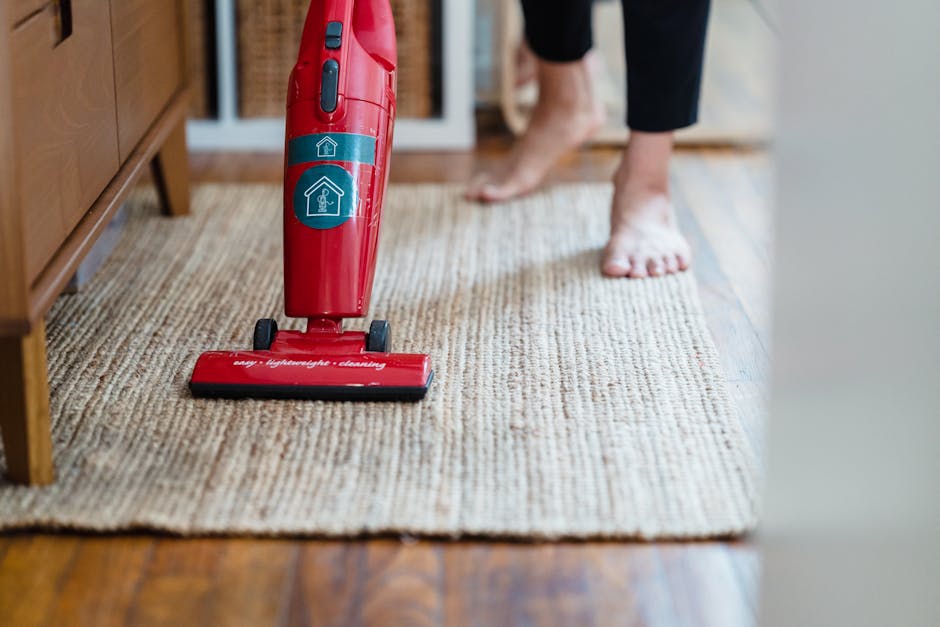
Carpet cleaning looks simple from the outside. You vacuum, shampoo, extract, and let everything dry. But the disposal side is where people slip up. Dirty wastewater, used cleaning pads, sludge from extraction machines, and old carpet offcuts are all different kinds of waste, and they do not all belong in the same place.
Kingston council fines can become relevant when waste is dumped improperly, placed out for collection incorrectly, or poured into public drains or waterways. That might sound extreme, but councils take waste offences seriously because they affect drains, pavements, pest control, and local environment quality. One careless disposal choice can create a bigger mess than the original carpet stain. Bit ironic, really.
For households, the risk is often accidental: rinsing a tank into a sink, leaving heavy carpet pieces beside a communal bin, or assuming that "it's only water" means it is harmless. For landlords and cleaners, the risk is professional reputation as much as enforcement. Nobody wants a tenant handover delayed because leftover carpet waste has been dumped badly.
If you are dealing with a larger clean, especially after renovation or a move, it can help to think beyond the carpet itself. Services such as deep cleaning, end of tenancy cleaning, and house clearance often generate mixed waste streams. That means the disposal plan needs a bit more care than a normal weekly tidy.
How Carpet cleaning disposal rules Kingston council fines Works
The basic idea is simple: separate the waste, keep harmful material out of drains, and use the correct collection or disposal route for each item. In practice, the details depend on what you are throwing away.
Dirty carpet cleaning water is the first issue. It may contain detergent, dirt, hair, fibres, allergens, pet residue, and in some cases cleaning chemicals. You should not assume it is safe to pour into any drain, especially outdoors or into surface-water systems. If you are unsure, the safest approach is to treat it as wastewater and follow the disposal guidance that comes with the product and local waste rules.
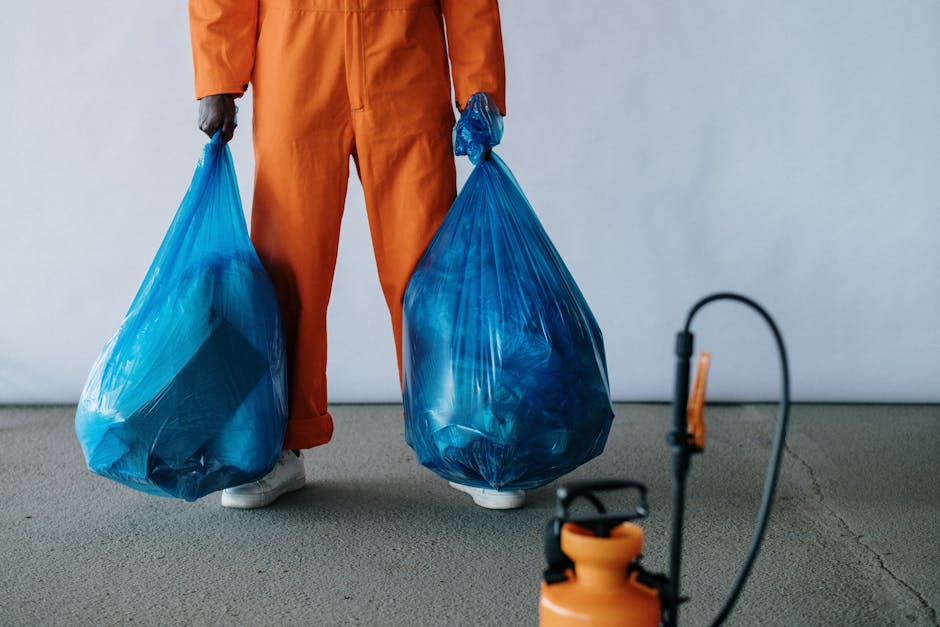
Old carpet and underlay are usually bulky waste. They may be accepted through household waste services, bulky waste collections, or a licensed disposal route, depending on volume and local arrangements. Carpets are awkward, bulky, and surprisingly heavy once they are wet. If you have ever tried to drag a damp roll down the stairs on a Friday evening, you know the feeling.
Cleaning equipment residue is another layer. Filters, disposable cloths, pads, and vacuum bags should usually be bagged securely before disposal. If they are saturated with chemicals or contaminated with mould or biological waste, you need to be more cautious and may need a specialist disposal method.
In Kingston, as elsewhere in the UK, the practical rule is to avoid creating nuisance, pollution, or unauthorised dumping. If a council officer sees waste left on the pavement, overfilled bins, or liquid waste entering the wrong place, they may treat it as an offence. Whether that ends as advice, a warning, or a fine depends on the circumstances, but the safer path is obvious: manage the waste properly from the start.
Key Benefits and Practical Advantages
Getting carpet waste disposal right is not just about avoiding fines. There are several practical gains, and you notice them quickly.
- Lower risk of enforcement action because waste is handled in a way that is easier to justify if questioned.
- Cleaner drains and fewer blockages since fibres, sludge, and sticky residues are kept out of plumbing.
- Better hygiene around homes and shared buildings, especially where carpet cleaning has removed dirt, pet dander, or allergens.
- Less mess on collection day because bulky waste is packed and presented properly.
- More professional results for cleaners, landlords, and letting agents dealing with handovers or inspections.
There is also a quiet benefit that people sometimes overlook: peace of mind. You are less likely to stand there wondering, "Was that the wrong drain?" or "Should that old carpet have gone somewhere else?" Good disposal habits reduce that background stress.
For homes that want a broader reset, carpet cleaning often sits alongside domestic cleaning, one-off cleaning, or even upholstery cleaning. When everything is done together, disposal becomes easier to plan because you can group waste rather than making repeated trips to the bin area.
Who This Is For and When It Makes Sense
This topic is relevant to more people than you might expect. If you handle carpet cleaning once in a blue moon, the rules are easy to miss. If you do it regularly, the rules matter even more because small mistakes start to repeat.
- Homeowners cleaning rooms before guests, winter, or a property sale.
- Tenants trying to return a rented property in decent condition.
- Landlords and letting agents who need clear, defensible waste handling.
- Cleaning contractors who must protect their reputation and avoid complaints.
- Businesses and offices dealing with carpet maintenance across multiple rooms.
It makes sense to think about disposal rules whenever the job creates anything beyond ordinary dust. That includes extraction wastewater, heavily soiled cloths, damaged carpet sections, underlay, and packaging from cleaning products. If the job is bigger than a quick vacuum, you should already be planning the waste side.
For offices and commercial spaces, related services such as office cleaning or office cleaners can generate regular waste streams, which means waste separation becomes part of the routine. That is especially true where carpet tiles or reception flooring need occasional replacement. A little structure goes a long way.
Step-by-Step Guidance
If you want the simplest safe process, use this sequence. It is not fancy, but it works.
- Identify the waste type. Separate wastewater, solid carpet waste, underlay, packaging, and disposable cleaning materials.
- Check the cleaner instructions. The product label or safety information should tell you whether the residue needs special handling.
- Keep wastewater contained. Use a suitable container or extraction tank; do not let it spill onto paths, roads, or gardens.
- Avoid unknown drains. Do not pour waste into storm drains, roadside gullies, or anything you are not sure about.
- Bag solids securely. Roll carpet and underlay tightly, tape them if needed, and keep loose fibres from escaping.
- Use the right collection route. Household bin, bulky waste, or another lawful route depending on the item and amount.
- Wipe down the area. If you have spilt residue while moving the waste, clean it up immediately. Don't leave it for later; later turns into stains.
A practical example: if you clean one room and remove a damaged runner, you might end up with a bucket of grey water, a couple of dirty cloths, and one rolled carpet strip. The water may need to be disposed of separately from the solid waste, while the cloths should be dried or bagged depending on contamination. Easy enough once you break it down, but confusing if you try to treat everything as "just rubbish".
For bigger jobs, especially after renovation dust or plaster residue, you may also be working around after builders cleaning. In those cases, waste sorting matters even more because fine dust, carpet fibres, and packaging can all end up mixed together.
Expert Tips for Better Results
Here are the habits that make the biggest difference in real life. These are the small things that prevent the annoying phone call later.
- Use lined buckets or tanks when moving dirty water, especially indoors.
- Work from the outside in so you are not carrying waste back and forth across clean floors.
- Keep a separate waste bag for fibres and cloths rather than mixing them with everyday household rubbish.
- Dry textiles before disposal where possible to reduce smell and leakage. Nothing spoils a hallway faster than damp carpet waste sitting there all afternoon.
- Label anything unusual if more than one person is handling the waste.
- Take photos of disposal arrangements when you are a contractor or landlord. Not glamorous, but useful if there is later a dispute.
In our experience, the cleanest jobs are rarely the ones with the most expensive machines. They are the ones with a simple, disciplined routine. Good habits, every time. It sounds boring, but boring is beautiful when no one is getting fined.
If you are using a professional team, ask whether they carry appropriate insurance and follow a clear safety process. A trustworthy cleaning company should be able to explain how waste is handled without sounding vague or defensive.
Common Mistakes to Avoid
Most disposal problems come from assumption. People assume the waste is harmless, assume the bin is fine, or assume someone else will sort it out.
- Pouring dirty extraction water into the wrong drain or letting it run into a street gully.
- Leaving carpet rolls outside where they can get wet, blow about, or become fly-tipped.
- Overstuffing household bins with bulky carpet offcuts that do not fit.
- Mixing chemicals with ordinary rubbish without checking the product guidance first.
- Ignoring shared-building rules in flats, where bin stores and communal access areas are often tightly managed.
- Forgetting about smell and contamination when waste has come from pets, mould, or water damage.
One common headache in flats is simply carrying waste through communal spaces without wrapping it properly. The carpet itself may be legal to dispose of, but the route you take matters too. That is the sort of thing that leads to complaints from neighbours, and nobody enjoys that conversation in the hallway at 8 a.m.
Another mistake is treating all carpet clean residue the same. A lightly soiled cloth is not the same as water contaminated with strong chemical residue or mould. If there is any doubt, slow down and separate it. That extra minute can save a lot of trouble.
Tools, Resources and Recommendations
You do not need a van full of specialist kit to handle carpet waste safely, but a few simple items make life easier.
- Heavy-duty waste bags for cloths, fibres, and small offcuts.
- Rolled carpet ties or tape to keep bulky material compact.
- Rubber gloves if waste is wet, dirty, or chemical-treated.
- A bucket with a secure lid for moving wastewater short distances indoors.
- Old towels or absorbent pads for catching drips on stairs and landings.
- Access to the correct disposal route, such as a proper household waste or bulky waste option.
If you want a broader approach to waste reduction and responsible disposal, it can be useful to review recycling and sustainability information from a provider you trust. That is especially relevant where a property generates a mix of textile waste, packaging, and cleaning residue.
For cost planning, the page on pricing and quotes can help you think about whether it is better to book a service bundle or handle disposal and cleaning separately. Sometimes bundling saves hassle more than it saves money, and that matters too.
Law, Compliance, Standards, or Best Practice
This is the part where careful wording matters. Local enforcement and disposal expectations can vary depending on the exact waste, where it is generated, and how it is presented. Kingston council fines may be used where waste is left improperly, dumped, or creates a nuisance. In some cases, the issue may be addressed informally first; in others, enforcement can move quickly. There is no sensible way to guess the outcome in advance.
Best practice in the UK is to treat carpet cleaning waste as a real waste management task, not an afterthought. That means:
- keeping liquids contained;
- preventing pollution and spillages;
- separating solid waste from liquid waste;
- using the right disposal route for bulky or contaminated material;
- following product safety instructions for chemicals;
- avoiding nuisance to neighbours and shared areas.
If you are a contractor, you should also pay attention to insurance, staff training, and health and safety procedures. A professional team should not guess its way through waste handling. Services such as insurance and safety and health and safety policy are worth reviewing because they show whether a business takes the practical side seriously. Honestly, that is where trust is built.
For anyone working in rental properties, disposal discipline supports smoother inspections and fewer disputes at the end of a tenancy. You may also find it helpful to combine carpet work with end of tenancy cleaning so waste handling is part of a single, documented process rather than a last-minute scramble.
Options, Methods, or Comparison Table
Not every disposal route fits every type of carpet waste. The right choice depends on volume, contamination, and how quickly you need it gone.
| Waste type | Best approach | Why it works | Watch out for |
|---|---|---|---|
| Lightly dirty extraction water | Contained disposal following product guidance | Minimises spill risk and keeps residue controlled | Never assume every drain is acceptable |
| Heavily soiled water or chemical residue | Check the cleaner instructions and use a cautious route | Reduces pollution and safety risk | Avoid mixing with other waste |
| Small carpet offcuts | Bag securely for regular waste if allowed | Simple and tidy for minor amounts | Do not overfill bags |
| Large carpet rolls or underlay | Bulky waste or arranged collection | Better for large, awkward items | Leaving items outside can trigger complaints |
| Contaminated or mouldy material | Extra caution, possibly specialist handling | Safer for health and cleanliness | Do not treat it like ordinary household waste |
There is no single perfect method. For a small hallway clean, one route may be enough. For a full-room replacement, bulky collection makes more sense. The trick is matching the method to the waste rather than forcing everything into the nearest bin, which sounds obvious until the bin lid will not close.
Case Study or Real-World Example
A typical Kingston scenario goes like this. A tenant finishes a move-out clean in a two-bedroom flat. One bedroom carpet has a wine stain that will not lift, and the hallway runner is frayed at the edges. The extraction machine leaves a tank of dark water, and there are several wet cloths, plus the old runner rolled up by the door.
The first instinct might be to tip the water down the nearest drain and leave the runner beside the bin store. But that is exactly where problems begin. The better approach is to separate the wastewater, check the cleaning product instructions, bag the cloths securely, and arrange the runner as bulky waste if the building rules allow it. The result is tidier, safer, and much less likely to attract attention from neighbours or the council.
In this kind of job, the difference between "sorted" and "problem" is often about ten minutes of extra care. Not glamorous, but effective. The flat looks better, the corridor stays clean, and everyone moves on.
That same principle applies to homes, offices, and rental properties. If you want the carpet work done with less disruption, it can also be sensible to combine it with carpet cleaning, rug cleaning, or sofa cleaning so the waste is dealt with in one tidy pass.
Practical Checklist
Use this before, during, and after the job.
- Check what kind of waste the carpet clean will create.
- Read the cleaner or product instructions for disposal guidance.
- Keep wastewater in a secure container.
- Separate cloths, pads, and fibres from ordinary rubbish.
- Roll and secure carpet or underlay before moving it.
- Do not leave waste in shared hallways or outside access routes.
- Use the correct collection option for bulky items.
- Clean up any drips immediately.
- Store waste safely until it is ready to leave the property.
- Double-check local disposal arrangements before large jobs.
Quick practical summary: keep liquids contained, keep solids bagged, keep routes clear, and never assume all carpet waste can be treated the same way. That simple mindset avoids most fines and nearly all avoidable mess.
Get a free quote today and see how much you can save.
Conclusion
Carpet cleaning disposal rules Kingston council fines is really about one thing: handling waste carefully enough that it never becomes a nuisance, a pollution issue, or an enforcement headache. The job is not difficult once you split the waste into sensible categories and use the right route for each one. Most problems come from rushing, guessing, or leaving the disposal step until the end.
If you are a homeowner, landlord, tenant, or cleaner, the safest path is simple and practical: contain wastewater, bag solids properly, avoid the wrong drains, and check the rules before large or awkward disposals. Do that, and the whole process feels much calmer. A bit less stress, a bit less mess, and far fewer surprises. Which, to be fair, is what most people want from carpet cleaning anyway.
And if you are planning broader cleaning work, it helps to choose a provider that is transparent about process and safety, from about us to terms and conditions. Good service shows up in the small details.
Do the waste side properly, and the whole room feels lighter. Fresh, settled, done.
Frequently Asked Questions
Can I pour carpet cleaning water down the sink?
Not automatically. It depends on the cleaner used, the amount of residue, and the waste guidance supplied with the product. If you are unsure, treat it cautiously and avoid sending it into the wrong drainage system.
What happens if I leave old carpet outside the bins?
It may be treated as improper waste presentation or fly-tipping risk, especially if it blocks access or creates mess. That is where Kingston council fines can become relevant, so it is better to use the correct collection route.
Are carpet offcuts classed as household waste?
Small clean offcuts may be accepted as household waste in some situations, but bulky amounts usually need a different route. Always check volume and local collection rules before putting them out.
Can wet carpet go in a regular bin bag?
Usually not. Wet carpet is heavy, can leak, and may burst the bag. Roll it tightly, let it dry if appropriate and safe, and use a more suitable disposal method for bulky material.
Do cleaners have to take away carpet waste?
That depends on the service agreement. Some cleaners include disposal, while others only clean the carpet and leave waste handling to the property owner. It is best to confirm this in advance, preferably in writing.
What if the carpet is contaminated with mould or pet waste?
That needs extra care. Contaminated material should not be treated like normal household rubbish. Use gloves, contain it properly, and follow a cautious disposal route.
How can landlords avoid disposal disputes after a tenancy?
Use a clear checklist, keep photos where helpful, and make sure any carpet removal or waste handling is properly planned. End of tenancy work is much smoother when disposal is not improvised at the last minute.
Is there a difference between carpet waste and cleaning residue?
Yes. Carpet waste is the physical material, such as rolls, underlay, or offcuts. Cleaning residue is the liquid or sludge left after extraction. They may need different handling methods.
Can carpet waste be recycled?
Sometimes, depending on the material and local facilities, but it is not guaranteed. Mixed or contaminated carpet is often difficult to recycle, which is why keeping waste clean and separate helps.
Do shared flats need extra care with carpet disposal?
Absolutely. Shared buildings usually have stricter bin access, corridor rules, and neighbour sensitivities. Wrapping waste neatly and avoiding communal mess makes a real difference.
Should I hire a professional for large carpet disposal jobs?
If the job involves heavy rolls, multiple rooms, contamination, or mixed waste, a professional cleaner or clearance service can save time and reduce mistakes. That is especially true when the property needs a broader refresh, such as house cleaning or cleaners for a larger job.
What is the safest first step if I am not sure about the rules?
Pause, separate the waste, and check the disposal guidance for the specific material before moving it. That one habit prevents most avoidable errors and keeps you on safer ground.